|
 |
|
|
|
 |
|
|
|
|
|
|
|
|
|
do I have sensitized skin? |
|
|
|

up to 90% of the population perceives their skin as sensitive.
But do you really have sensitive skin? This inquiry is not posed to make you question your skin’s redness, irritation and discomfort. It is actually posed to point out that there is sensitive skin, and then there is sensitized skin, which is the growing phenomenon of skin experiencing sensitivity because of environmental assaults, cosmetics, poor diet and the natural aging process.
sensitive skin versus sensitized skin
A true sensitive skin condition is caused by a genetic predisposition. This genetic predisposition is found in those who have very fair skin and are usually of Northern European ancestry. This could be caused by the lower amount of pigment and a thinner epidermal skin layer (the epidermal layer is the top layer of skin we can see). Someone with truly sensitive skin is highly prone to blushing and may experience bad hay fever, allergies or asthma.
Sensitized skin can affect any person of any racial background or skin color. (Case in point: many people in Asia are experiencing skin sensitization due to the large amount of pollution in some parts of this region). Symptoms for sensitive and sensitized skin do have a lot in common (itching, burning, redness, flushing and stinging), but in many cases, sensitized skin can’t be seen by the naked eye, as it resides much deeper. And, our microclimate, or the climate we are exposed to in our home, cars, offices and during air travel, changes daily, meaning our level of sensitization can vary.
|
|
|
what causes sensitized skin? |
A number of factors contribute to the process of skin sensitization. These causes are among the most common, and fortunately, the most treatable and preventable when lifestyle changes are adapted and when under the care of a skin care professional. |
Environmental Assaults
The fastest rising factor contributing to sensitized skin is environmental assault, as the epidermis is constantly exposed to assault from the sun, extreme weather and pollution. |
1. The Sun
Exposure to the sun causes water to evaporate from the skin, making it more prone to sensitivity.
There is still not enough understanding that cumulative exposure to sun can also cause extensive damage. Fifteen minute walks outside and occasional lunches outdoors can contribute to skin sensitization, and of course, skin cancer. And even if you don’t see pink or red skin after being in the sun, that doesn’t mean that the damage hasn’t been done.
Summer activities, such as swimming, can also cause skin irritation, as chlorine in pools and salt in ocean water are abrasive and drying.
2. Pollution
On average, our skin is exposed to an estimated 6 million chemicals, and roughly 2,800 of these have sensitizing properties. Extensive exposure to Nitrogen oxides (from road traffic, industrial heating units, etc.) and volatile organic compounds (from hydrocarbons and waste) contributes to the steady rise in sensitized skin cases.
3. Cold Weather and Low Humidity
Cold winds and low temperatures can dry out skin, depriving it of balanced levels of sebum (oil) that keep skin lubricated. Without these oils, skin becomes dry, and is more prone to sensitivity because of the lack of protective oils. This goes for forced air heating as well. Warm, dry air acts like a giant sponge, soaking up moisture from everything it touches. |
Aging
Scientists agree that there is a sharp decline in the Stratum corneum lipids as we age (lipids are fats that are essential for the structure and function of living cells). Meaning by the time we reach age 40, our skin will almost certainly be dry and/or dehydrated. Without these protective lipids, skin is left exposed and defenseless against external aggressors, and the chances for reactions to the environment increase. |
Ingredients
Certain ingredients in cosmetics can cause irritation and exacerbate skin sensitivity. More importantly, these ingredients can be found in skin care ingredients that claim to help treat sensitized skin! Some ingredients that can sensitize skin include fragrances, D and C colors, preservatives, and Lanolin. |
Lifestyle
Nutritionists say that those surviving on a litany of diet sodas and fat-free food items are missing out on vital, skin-friendly essential fatty acids (EFA) and fat-soluble vitamins. (And don’t forget that fat-free foods often substitute sugar with artificial sweeteners that can cause skin sensitivity.)
An EFA deficiency can result in skin problems such as chronic itching, dryness, scaling and thinning, and can lead to an imbalance in prostaglandins (prostaglandins are chemical messengers that do many things, such as control inflammation). The lack of “good” fats in our diets could also be contributing to the
increase in the percentage of the population that suffers from psoriasis, eczema and dandruff.
Smoking can also have a drying effect on skin, as smoking inhibits the body’s ability to provide oxygen and nutrients to skin. Smoking drains skin of vitamins A and C and restricts blood vessels (which equates to less blood flow) – meaning smoking is somewhat like suffocating the skin from the inside. And, an excessive intake of alcoholic beverages and certain medications (such as nasal decongestants) can also contribute to dry skin. |
Over-cleansing
The loss of existing sebum (oil) is commonly caused by excessive bathing or showering, scrubbing, or the use of harsh soaps that dissolve the protective layer of sebum. In addition, shaving without a protective medium or using dull razors can also weaken the skin’s barrier function, leaving it exposed to environmental assaults. |
|
|
proper treatment for results
When skin is healthy, a sensitized skin condition is minimized. Professional skin treatments coupled with the right lifestyle choices are great ways to begin treating sensitized skin.
An effective sensitized skin treatment will include gentle cleansing, soothing and anti-inflammatory-based products, hydration and pressure point massage techniques to help increase skin’s natural protective barrier while repairing previous environmentally-induced damage. The “less is more” rule should be followed during any professional sensitized skin treatment and at-home regimen.
• Points that relate to the sinuses, lungs and eyes can be targeted through pressure point massage to bring about relief to associated skin problems.
• A Dr. Lucas PulverizatorTM is a professional tool that creates a fine mist ideal for removing products from skin without causing the trauma or friction imposed by sponges or cloths. This fine mist can also be customized to include soothing and calming herbal extracts.
• Exfoliation can be performed on sensitized skin, but should be done only under the recommendation of a professional. A traditional product used is Daily Microfoliant®, as it does not compromise the barrier levels of skin, is non-invasive and less aggressive than other forms of exfoliation.
• Essential oils of Lavender, Sandalwood and Eucalyptus are ideal for hydrating and healing sensitized skin. |
|
|
It is also imperative to recognize that the success of your skin treatments will be heavily influenced by your professionally prescribed at-home regimen, and the wearing of sunscreen anytime skin is exposed to daylight. Ask your skin therapist about Super Sensitive FaceBlock SPF30. This sunscreen utilizes physical UV-blockers instead of chemical UV-blockers which can sometimes increase irritation. Super Sensitive FaceBlock SPF30 contains
UV Smart Booster Technology – a microcapsule containing antioxidant vitamins C and E that bursts upon contact with UV light, spilling the antioxidants on to skin to protect against environmental assaults when it is needed most.
Proper skin care techniques will also help ease skin sensitization. Do not use hot water when cleansing, don’t use excessive or abrasive movements (instead, go for gentle, upward circles), and stay away from products that contain artificial fragrances or colors.
In addition, take note of what triggers the “red” reaction in your skin. Certain foods such as artificial sweeteners or spices can bring the flush look forward. Also be aware of your hormones, stress levels, physical exertion, adrenal shifts and
alcohol and nicotine intake.
get mapped. get results.
Speak with your skin therapist about Face MappingSM, the skin analysis that breaks your skin down into 14 individual zones so that your condition can be effectively treated. Regardless of your needs, your skin therapist can accurately prescribe a regimen with Face Mapping that will effectively treat all areas of your skin. |
|
|
|
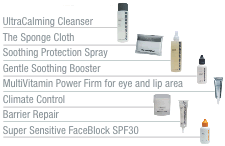
After your Face Mapping, your skin therapist will outline a home regimen for you to follow. This will help keep your skin it’s healthiest between professional treatments. Some of the products that may be suggested will include: |
|
It’s also important to note that Dermalogica
products are free of the following ingredients known for increasing skin sensitivity:
• Artificial colors
• Artificial fragrances
• S.D. Alcohol
• Mineral Oil
• Lanolin
• PABA |
| Jumpstart your healthy skin care regimen today! Ask your skin therapist for your free Face Mapping analysis and your customized zone-by-zone prescription. |
back to top |
|
|
|